Electronics & IoT prototyping
Functional electronic prototypes, built to become products
We design and build working electronic and IoT prototypes for hardware startups: the circuit, the PCB, the firmware and the connection to the cloud. Each prototype is built to answer a specific question, and to carry forward into production instead of being thrown away.
A prototype should answer a question
Most hardware teams don't need a prototype as much as they need an answer. Will the sensor read accurately through the enclosure? Will the battery last a winter? Can the radio reach the gateway from a basement? We start by naming the question, then build the smallest working device that answers it.
The difference between a proof of concept and a prototype matters. A proof of concept shows a principle works, often on development boards and jumper wires. A functional prototype runs on your own PCB with real firmware, close to the final size and power budget. We help you decide which one you need right now, so you don't spend production money answering proof-of-concept questions.
Because the same engineer designs the circuit, writes the firmware and connects it to the cloud, the trade-offs between them get made in one head instead of across three vendors.
What you get
Scope of work
- 01
Proof-of-concept builds
Development-board builds that test the riskiest assumption first: sensing, power, radio range or user interaction.
- 02
Schematic & PCB design
Custom boards for the prototype run, with components that will still be available and affordable at volume.
- 03
Prototype firmware
Firmware on real hardware rather than demo code: drivers, power management and the logic your product needs.
- 04
Connectivity
BLE, Wi-Fi, LoRa or cellular, chosen for your range, power and cost, connected through to a cloud backend.
- 05
Bring-up & bench test
Board bring-up, debugging and testing, with a written record of what passed, what failed and what changes next.
- 06
Design package
Schematics, layout files, bill of materials, source code and build notes delivered with the project.
How it works
Four phases, each with a clear exit
- 01
Define the question
Agree on what the prototype must prove, the budget, and what “done” looks like.
- 02
Proof of concept
Off-the-shelf parts to retire the biggest technical risk quickly and cheaply.
- 03
Functional prototype
Custom PCB, real firmware and connectivity, close to final size and power budget.
- 04
Test & decide
Bench and field testing, then a clear recommendation: iterate, or start the path to production.
Proof
Shipped, in the field
Connected products taken from concept through production.
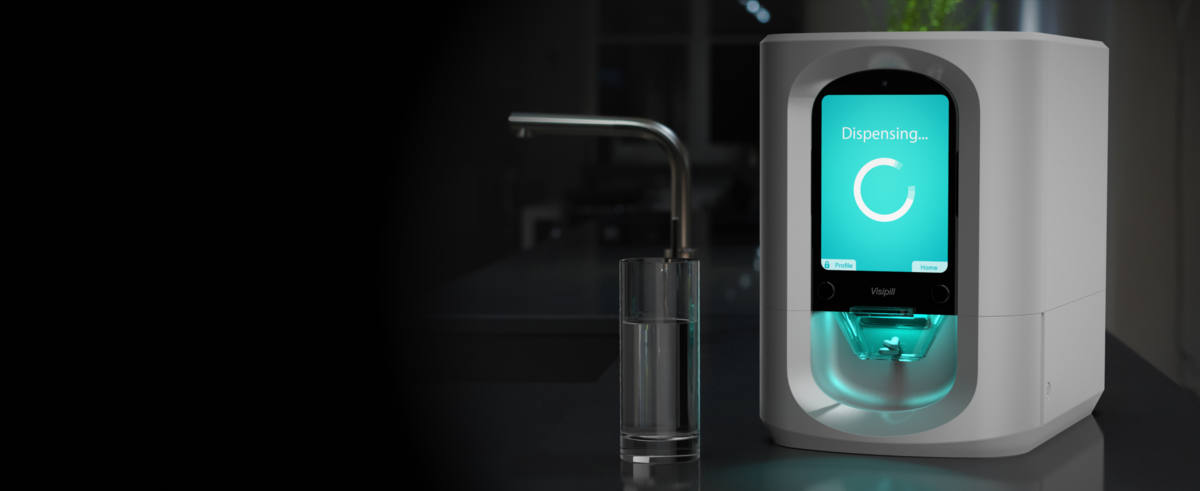
VisiPill
A smart medication dispenser, taken from concept to production.
Hardware Team Lead
Read the case study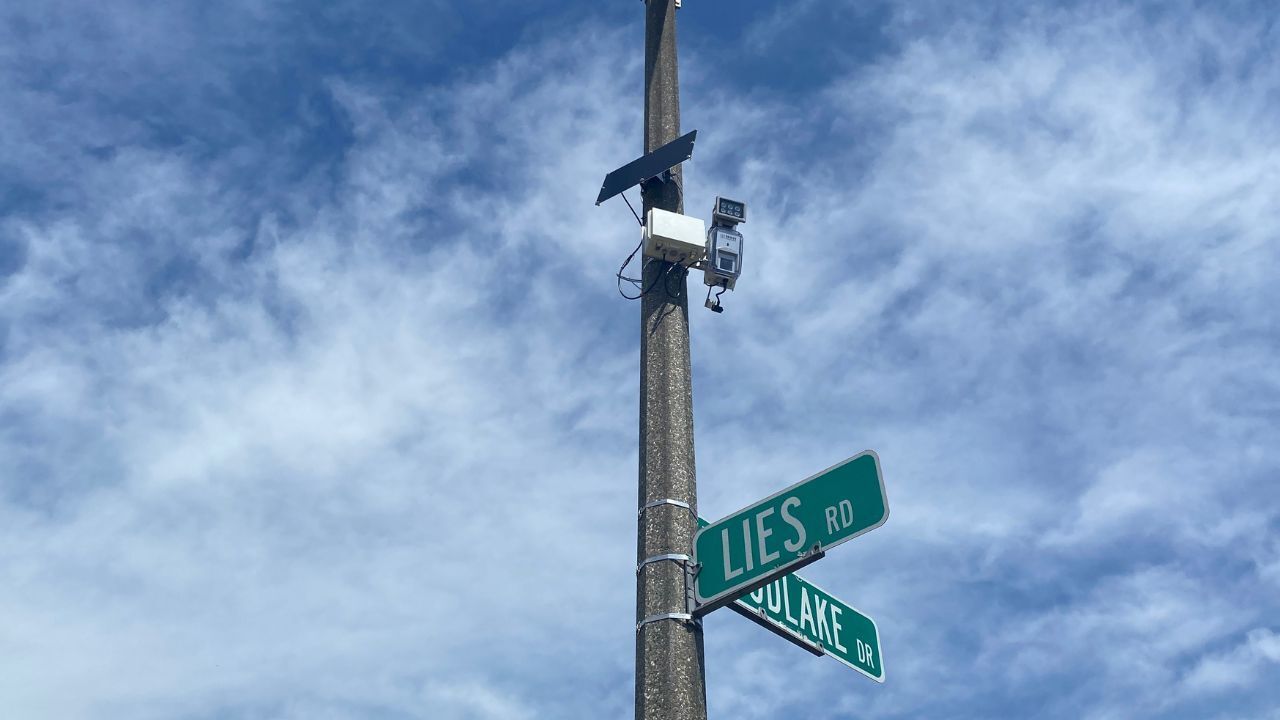
Frost Solutions
1,500+ road weather stations shipped, reporting from 37 states and 7 Canadian provinces.
CTO from launch; designed and built the hardware
Read the case study
Light for Hope
Solar lanterns for homes off the grid in the rural Philippines.
Hardware lead, at Rocket Wagon
Read the case studyFit
Who this is for
A good fit
- Pre-seed and seed hardware startups that need a working device for investors, pilots or user testing
- Teams with a software or industrial-design lead but no electrical or firmware engineer
- Products that sense, measure or control something and report it to an app or the cloud
Not the right fit
- Machining, 3D printing or molding on their own. That is a job for a prototype shop; we design what goes inside and the enclosure around it, then work with the shop that makes the parts.
- App-only projects with no device. We'll point you to an app partner.

Founder-led
Hands-on, start to finish.
Every project is led by Luke Libraro, hands-on from the first schematic to the factory floor to the fleet dashboard.
Luke brings 15+ years of engineering and product leadership across hardware, firmware, cloud and AI. No account managers: the person who scopes your project leads the work. We build the first web experience, from dashboards to companion web apps, alongside the device, and bring in partner teams when an app needs to scale.
- Frost SolutionsCTO from launch; designed and built the hardware
- Rocket WagonCo-founder & CTO · 2015–2023
- VisiPillHardware team lead
- Light for HopeHardware lead, at Rocket Wagon
Enclosures, in-house or with expert partners
We design your enclosure in-house or bring in expert mechanical engineering and industrial design partners, so the product is beautiful, functional and built to work in the field. Already have a design team? We work alongside them.
FAQ
Common questions
What's the difference between a proof of concept and a prototype?
A proof of concept shows that the core idea works, usually with development boards and off-the-shelf modules. A functional prototype runs on custom hardware with real firmware and is close to the final product in size, power and behavior. Many projects need a quick proof of concept first, to retire the biggest risk before paying for a custom board.
How much does an electronic prototype cost?
Cost depends mostly on how many unknowns remain: new sensors, tight power budgets and custom radios add iterations. We scope work in phases with a defined deliverable for each, so you know what each step buys before committing to the next.
How long does it take to build a working prototype?
It depends on whether off-the-shelf modules can be used, and on PCB fabrication and part lead times. Scoping produces a phase-by-phase schedule that includes the time spent waiting on boards and parts.
Can you work with our engineers, designer or manufacturer?
Yes. Farad Labs can act as the electrical and firmware lead alongside an in-house software team, an industrial designer or a contract manufacturer. Enclosures are designed in-house, with our expert mechanical engineering and industrial design partners, or with your own team.
Do you only work with companies in Richmond?
No. We’re based in Richmond, Virginia and work with hardware startups across the US. Local teams get in-person bench sessions; for everyone else we travel for kickoffs, bring-up and field tests.
Related
Related services
Prototype to Production
Design for manufacturing, validation builds, factory test and the handoff to your contract manufacturer.
Firmware & Embedded
Bare-metal and RTOS firmware, drivers, low-power design, wireless stacks and OTA updates.
IoT Development & Consulting
Device, connectivity and cloud built as one system, plus architecture reviews before you commit.
Tell us what you’re building.
A short call is usually enough to know whether we’re the right fit, and what the first phase should prove.
hello@farad.dev