Firmware & embedded
Firmware development for connected devices
Production firmware for microcontroller-based products, from bare metal to RTOS: drivers, sensors, power management, wireless stacks, and the update path that keeps devices working after they ship.
Firmware is where hardware succeeds or fails
Customers judge a device by what its firmware does: whether the battery lasts, whether it reconnects after an outage, whether an update bricks it. Those behaviors are designed, not discovered at the end.
Farad Labs writes embedded software with the hardware in view. The engineer who reads the schematic also writes the drivers, so power budgets, timing and peripheral quirks are handled once instead of argued about across a vendor boundary.
Existing codebases are welcome, including firmware a previous contractor left behind. We review it, say plainly what is worth keeping, and stabilize it before adding features.
What you get
Scope of work
- 01
Bare-metal & RTOS firmware
Firmware on bare metal, FreeRTOS or Zephyr, structured to be tested and extended.
- 02
Drivers & sensors
Peripheral drivers and sensor integration with calibration, filtering and fault handling.
- 03
Low-power design
Sleep modes, duty cycling and power measurement against a real battery or solar budget.
- 04
Wireless stacks
BLE, Wi-Fi, LoRa and cellular with reconnect, retry and offline buffering.
- 05
Over-the-air updates
Signed updates with rollback, so a bad release doesn't strand devices in the field.
- 06
Review & rescue
Architecture and code review of existing firmware, with a prioritized list of fixes.
How it works
Four phases, each with a clear exit
- 01
Review
Hardware, requirements and any existing code, before a line is written.
- 02
Architecture
Task structure, power states, error handling and the update path.
- 03
Build on hardware
Iterative releases tested on real boards, not just a simulator.
- 04
Release & support
Release builds, documentation and help triaging issues from the field.
Proof
Shipped, in the field
Connected products taken from concept through production.
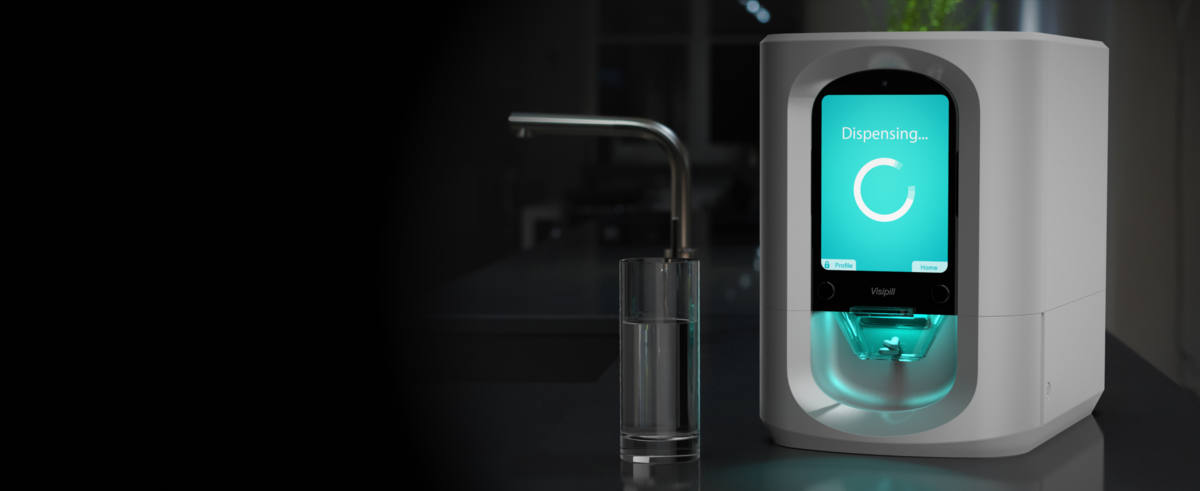
VisiPill
Smart Medication Management
Complete connected product: custom hardware, embedded firmware, mobile apps, and cloud backend for medication adherence.
Read the case study
Frost Solutions
Road Weather IoT Platform
Solar-powered road weather stations with cellular connectivity and real-time dashboards, deployed across 37 states and 7 provinces.
Read the case studyFit
Who this is for
A good fit
- Hardware startups whose first firmware was written to demo, not to ship
- Teams with a solid board but no embedded engineer
- Connected products that need reliable wireless and updates in the field
Not the right fit
- Safety-certified firmware (medical, automotive, avionics) that requires a formal certification process.
Founder-led
Hands-on, start to finish.
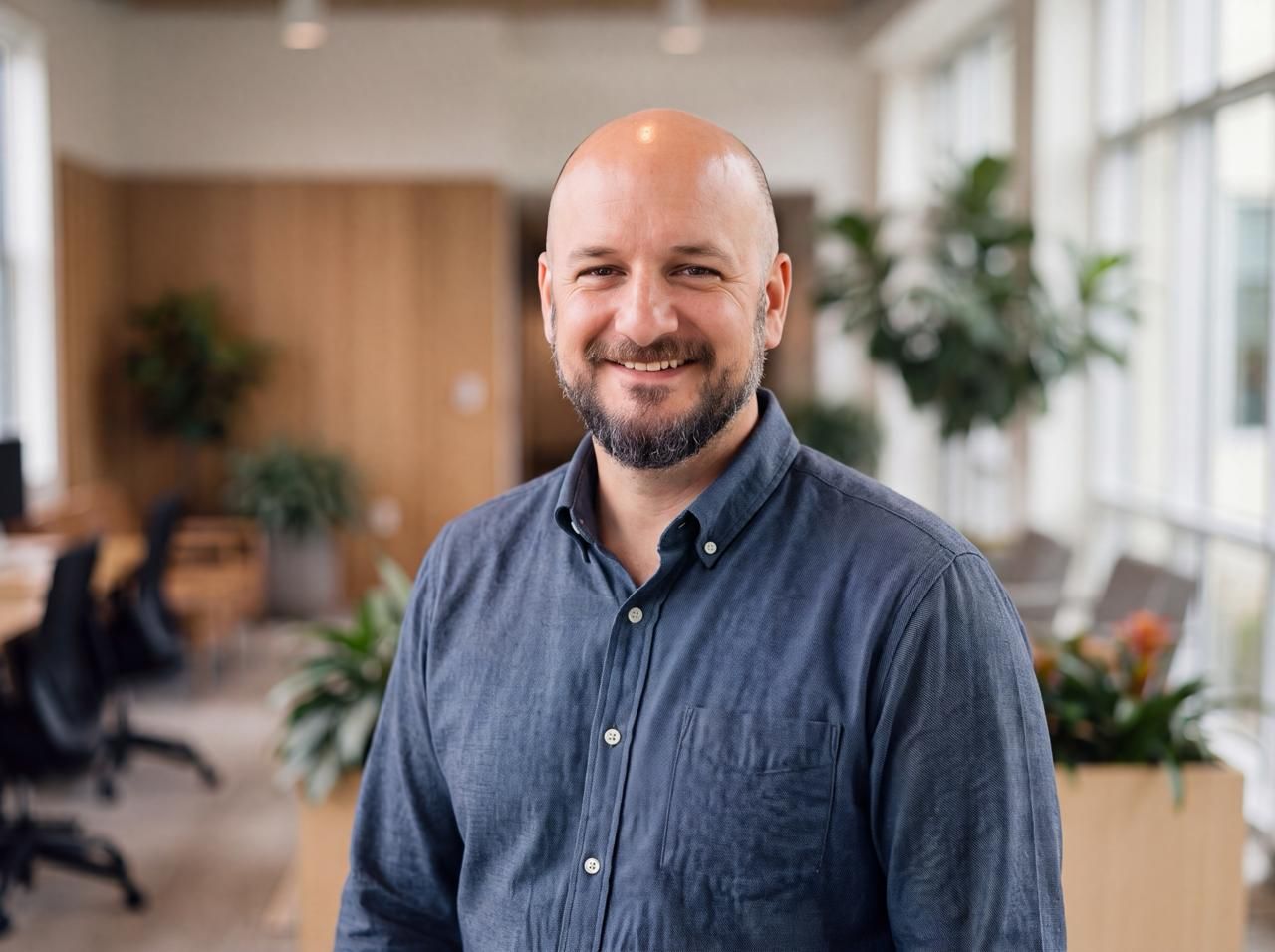
Every project is led by Luke Libraro, hands-on from the first schematic to the factory floor to the fleet dashboard.
Luke brings 15+ years of engineering and product leadership across hardware, firmware, cloud and AI. No account managers: the person who scopes your project leads the work. We build the first web experience, from dashboards to companion web apps, alongside the device, and bring in partner teams when an app needs to scale.
- Frost SolutionsCTO from launch; designed and built the hardware
- Rocket WagonCo-founder & CTO · 2015–2023
- VisiPillHardware team lead
- Light for HopeHardware lead, at Rocket Wagon
Enclosures, in-house or with expert partners
We design your enclosure in-house or bring in expert mechanical engineering and industrial design partners, so the product is beautiful, functional and built to work in the field. Already have a design team? We work alongside them.
FAQ
Common questions
Which microcontrollers do you work with?
Any of them. We’ve shipped products on Nordic nRF52, ESP32, STM32 and RP2040, among others, running bare metal, FreeRTOS and Zephyr. The microcontroller is chosen for the product’s power, wireless and cost needs rather than out of habit, and we’re just as comfortable picking up a platform you’ve already committed to.
Can you take over firmware another developer started?
Yes. We start with a review of the code and hardware, tell you plainly what is worth keeping, and stabilize it before adding features.
Do you offer embedded systems consulting without a full build?
Yes. Architecture reviews, platform and component selection, and focused debugging sessions are available as standalone engagements.
How should firmware updates work in the field?
Plan an over-the-air update path with signed images and rollback early in the project. Adding it after devices ship is expensive and risky.
Related
Related services
Electronics & IoT Prototyping
Proof-of-concept builds and functional prototypes on custom PCBs, with real firmware and connectivity.
IoT Development & Consulting
Device, connectivity and cloud built as one system, plus architecture reviews before you commit.
Prototype to Production
Design for manufacturing, validation builds, factory test and the handoff to your contract manufacturer.
Tell us what you’re building.
A short call is usually enough to know whether we’re the right fit, and what the first phase should prove.
hello@farad.dev