Prototype to production
From a working prototype to a product you can manufacture
A prototype that works on the bench is the start of the hardware work, not the end. We take electronics from prototype to production: design for manufacturing, the EVT, DVT and PVT builds, factory test and provisioning, and the handoff to your contract manufacturer.
Where hardware projects stall
The jump from prototype to production is where schedules slip and budgets break. Parts go end-of-life, boards that worked when hand-assembled fail on an assembly line, firmware can't be updated in the field, and nobody planned how each unit gets tested and provisioned before it ships.
New product introduction (NPI) is the discipline of closing those gaps on purpose. We plan it from the first functional prototype, so the design you validate is the design you can build.
This is field-hardware experience: the Frost Solutions road weather station went from prototype to 1,500+ units deployed across 37 states and 7 Canadian provinces.
What you get
Scope of work
- 01
Electronics DFM review
Component choices, footprints, panelization and test access reviewed for automated assembly at volume.
- 02
Supply chain & BOM
Cost-down, second sources for risky parts, and lifecycle checks so a single part cannot stop production.
- 03
EVT, DVT & PVT plan
A build plan for engineering, design and production validation, with what each build must prove.
- 04
Factory test & provisioning
Test firmware and fixtures, plus how each device gets its identity, keys and configuration on the line.
- 05
Certification planning
Radio and emissions certification planned early, including pre-certified modules where they save time and cost.
- 06
Field updates & handoff
Over-the-air update strategy and a documentation package for your contract manufacturer.
How it works
Four phases, each with a clear exit
- 01
Readiness review
Audit the prototype, BOM and firmware against what production will demand.
- 02
Design for manufacturing
Revise the board and firmware for assembly, test, sourcing and updates.
- 03
Validation builds
EVT, DVT and PVT runs with your manufacturer, each with clear exit criteria.
- 04
Launch & support
Support through the first production run and early field monitoring.
Proof
Shipped, in the field
Connected products taken from concept through production.
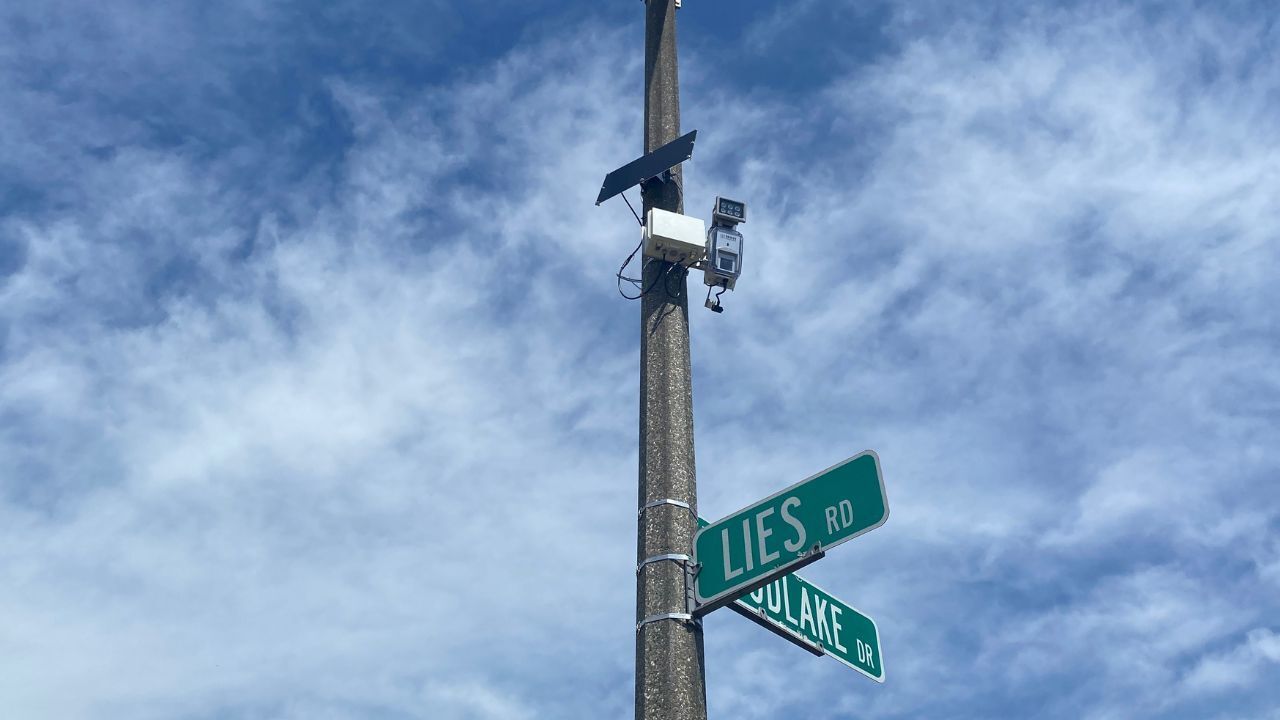
Frost Solutions
Road Weather IoT Platform
Solar-powered road weather stations with cellular connectivity and real-time dashboards, deployed across 37 states and 7 provinces.
Read the case study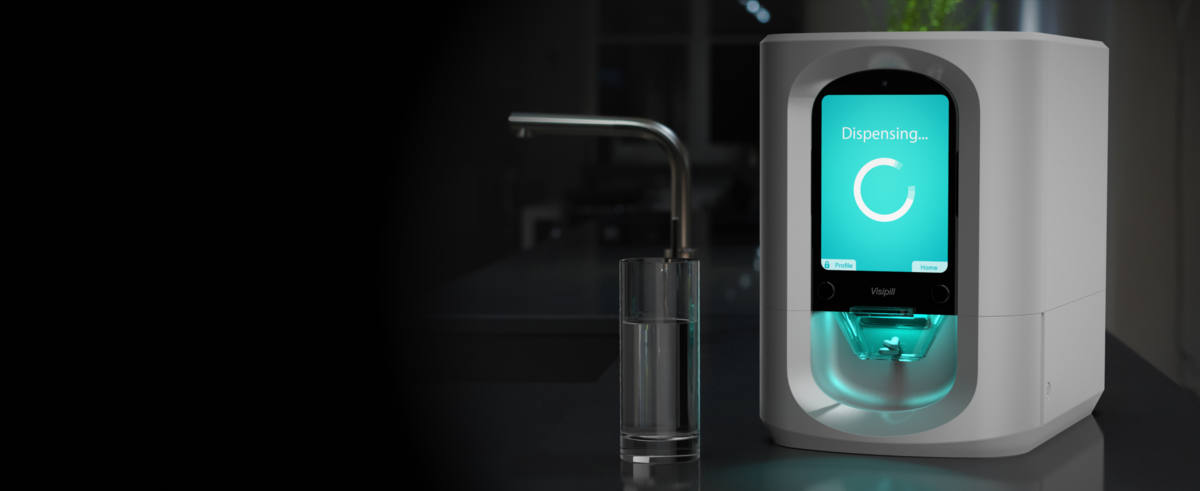
VisiPill
Smart Medication Management
Complete connected product: custom hardware, embedded firmware, mobile apps, and cloud backend for medication adherence.
Read the case studyFit
Who this is for
A good fit
- Startups with a working prototype that investors or pilot customers now want in volume
- Teams moving from a design firm's prototype to their own contract manufacturer
- Connected products that need firmware updates and monitoring once they are in the field
Not the right fit
- Mechanical-only DFM for molded or machined parts.
- High-volume consumer programs that need a large in-house NPI team.

Founder-led
Hands-on, start to finish.
Every project is led by Luke Libraro, hands-on from the first schematic to the factory floor to the fleet dashboard.
Luke brings 15+ years of engineering and product leadership across hardware, firmware, cloud and AI. No account managers: the person who scopes your project leads the work. We build the first web experience, from dashboards to companion web apps, alongside the device, and bring in partner teams when an app needs to scale.
- Frost SolutionsCTO from launch; designed and built the hardware
- Rocket WagonCo-founder & CTO · 2015–2023
- VisiPillHardware team lead
- Light for HopeHardware lead, at Rocket Wagon
Enclosures, in-house or with expert partners
We design your enclosure in-house or bring in expert mechanical engineering and industrial design partners, so the product is beautiful, functional and built to work in the field. Already have a design team? We work alongside them.
FAQ
Common questions
What are EVT, DVT and PVT?
They are the three validation builds between prototype and mass production. EVT (engineering validation test) proves the design works. DVT (design validation test) proves it meets requirements in final form, including certification and environmental testing. PVT (production validation test) proves the factory can build it consistently on the production line.
What is design for manufacturing (DFM) for electronics?
Designing the board and product so they can be assembled, tested and sourced reliably at volume: part choice and availability, footprints and spacing for automated assembly, test points, panelization and tolerances. It is cheapest to do before the design is frozen.
When should we start planning for production?
At the first functional prototype. Part choices, test access and the firmware update strategy are hard to change later and cheap to get right early.
Do you manufacture the product?
No. Farad Labs gets the design ready, works alongside your contract manufacturer and supports the first production runs. That keeps you free to choose or change manufacturers.
Related
Related services
Electronics & IoT Prototyping
Proof-of-concept builds and functional prototypes on custom PCBs, with real firmware and connectivity.
Firmware & Embedded
Bare-metal and RTOS firmware, drivers, low-power design, wireless stacks and OTA updates.
Fractional CTO
Part-time technical leadership: roadmap, vendors, manufacturers, hiring and investor diligence.
Tell us what you’re building.
A short call is usually enough to know whether we’re the right fit, and what the first phase should prove.
hello@farad.dev